
-
There has been a recent cluster of spammers accessing BARFer accounts and posting spam. To safeguard your account, please consider changing your password. It would be even better to take the additional step of enabling 2 Factor Authentication (2FA) on your BARF account. Read more here.
You are using an out of date browser. It may not display this or other websites correctly.
You should upgrade or use an alternative browser.
You should upgrade or use an alternative browser.
Subframe fab
- Thread starter Junkie
- Start date

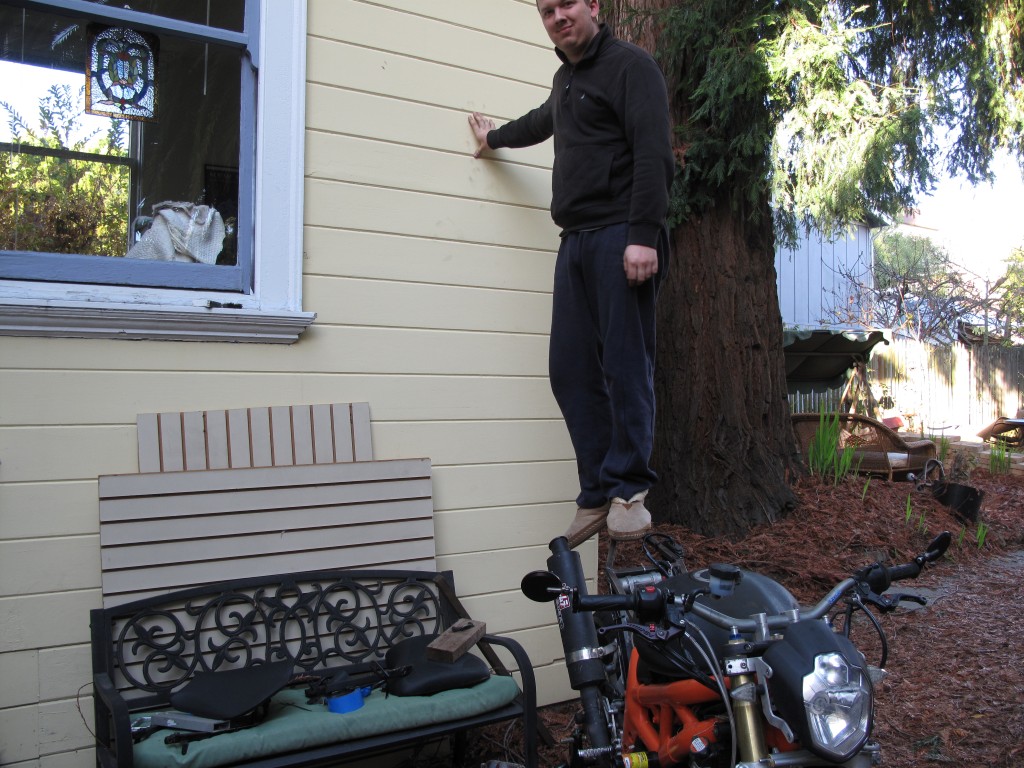


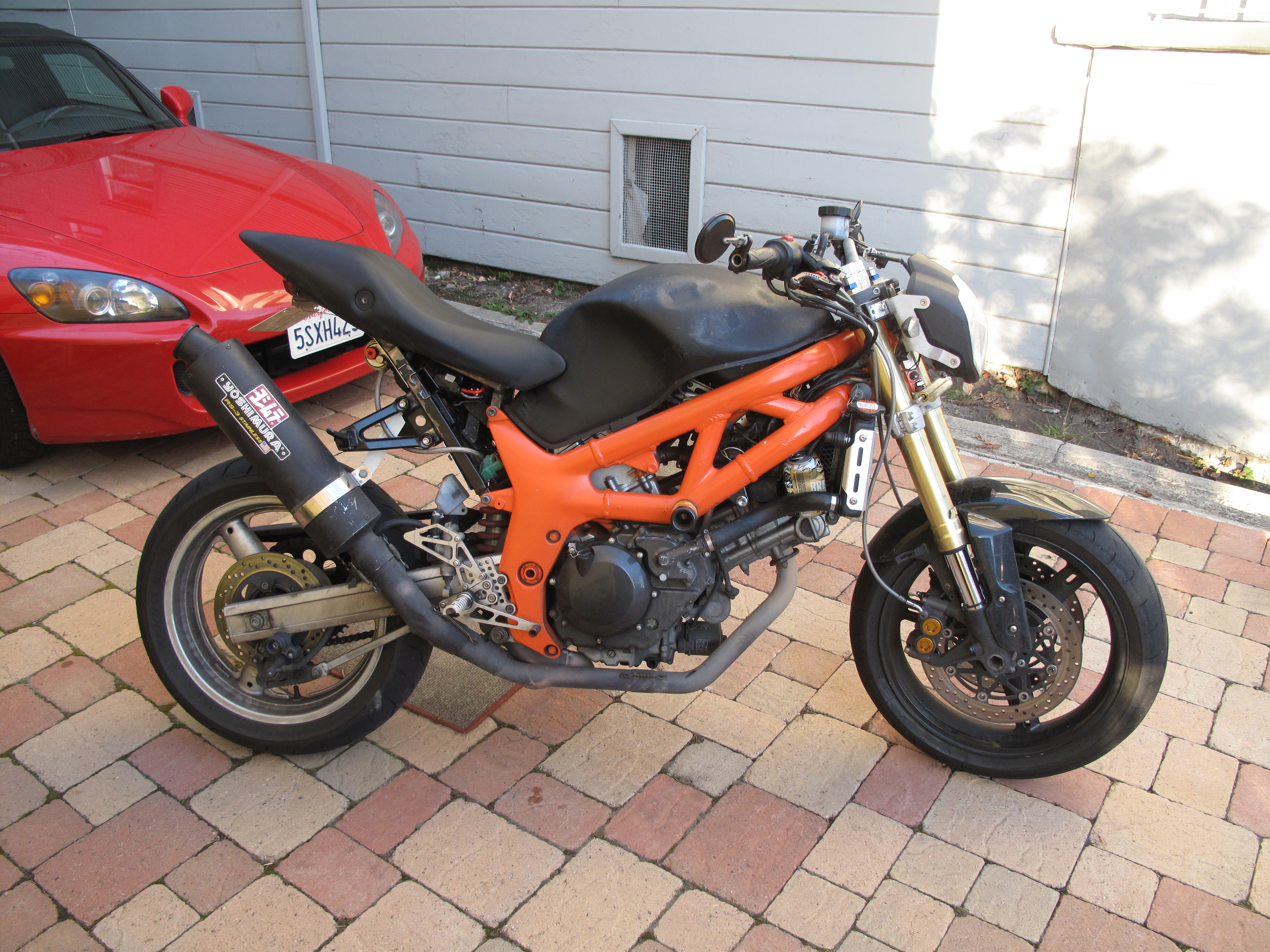

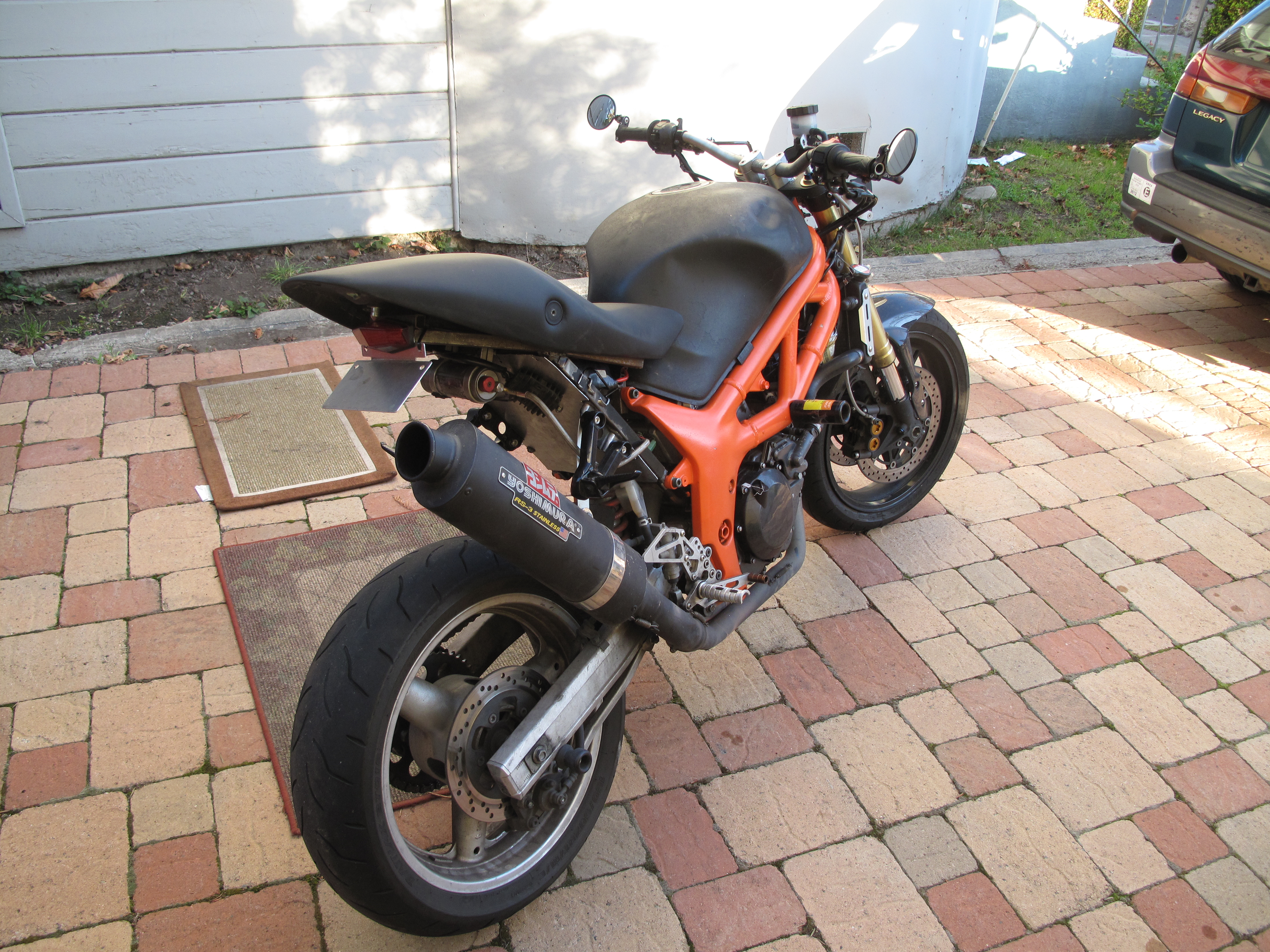

Don't go nutz trying to figure it out... it maybe just the camera angle but look at the last picture. The rail doesn't look straight. Maybe you designed them that way, maybe they are straight, maybe I'm crazy, maybe it just doesn't matter. Either way I still give it a 

DannoXYZ
Active member
- Joined
- Apr 24, 2006
- Location
- Mesa, AZ
- Moto(s)
- CB125T EX250E Ninja250R racer CBR250R-MC19 CBR250RR-MC22 NSR350R-MC21 VF500F CBR600RR VFR750
- Name
- Danno
- BARF perks
- Barf Roadside Angel
Yeah, the rear half is untriangulated cantilever. Really overloaded area as so many pieces are joined at one spot. Might have been better to move the attachment for the bottom truss back a couple of inches. Could also have been some misalignment that was overlooked when they welded.Don't go nutz trying to figure it out... it maybe just the camera angle but look at the last picture. The rail doesn't look straight. Maybe you designed them that way, maybe they are straight, maybe I'm crazy, maybe it just doesn't matter. Either way I still give it a

Ironbutt
Loves the anecdotal
Yeah, the rear half is untriangulated cantilever. Really overloaded area as so many pieces are joined at one spot. Might have been better to move the attachment for the bottom truss back a couple of inches. Could also have been some misalignment that was overlooked when they welded.
 He fitted the steel, I welded it.
 It's not crooked -turn your head the other way.

MotoWhip101
New member
- Joined
- Jun 23, 2008
- Location
- Carmel CA
- Moto(s)
- 2008 YZF R6 2007 YZF R6 2003 TTR125L(2) 89 Razz scooter
- Name
- Todd
- BARF perks
- AMA #: 913917
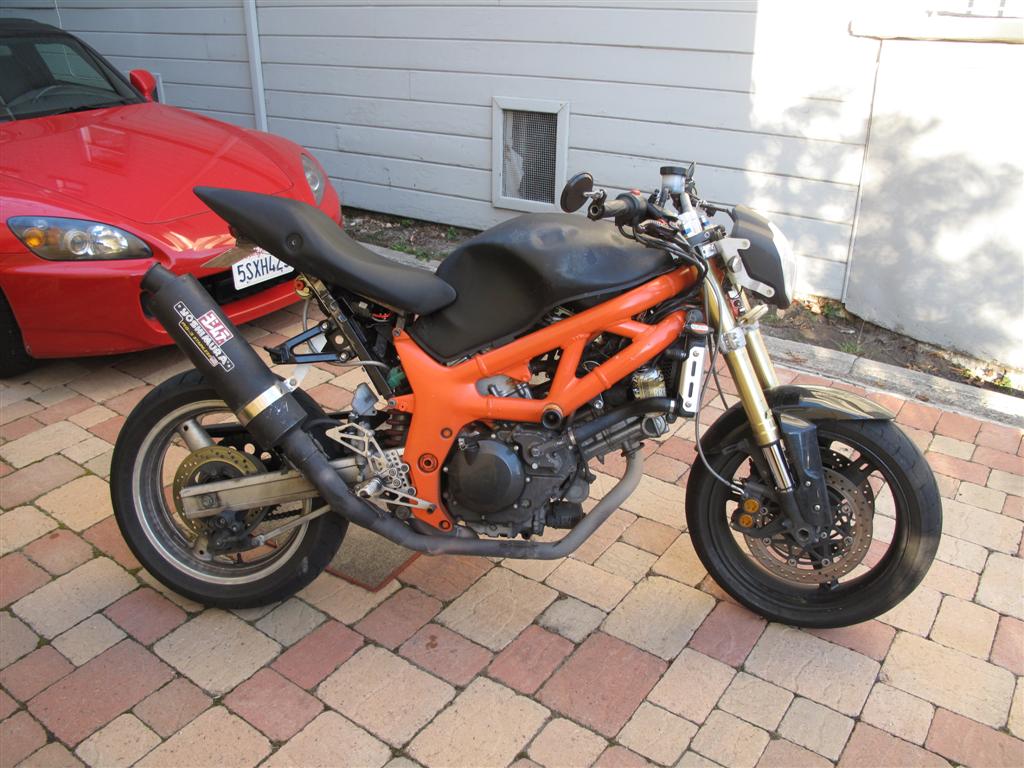
SO RAD!!!! This might be my favorite SV
Edit: Powdercoat rear wheel/swingarm black?
Edit: Powdercoat rear wheel/swingarm black?
I plan on having a spare swingarm braced, and it'll probably end up black as well.
Also, for gusseting, here's what I plan. Black is existing, blue is welds (some existing, some new), red is gusset.
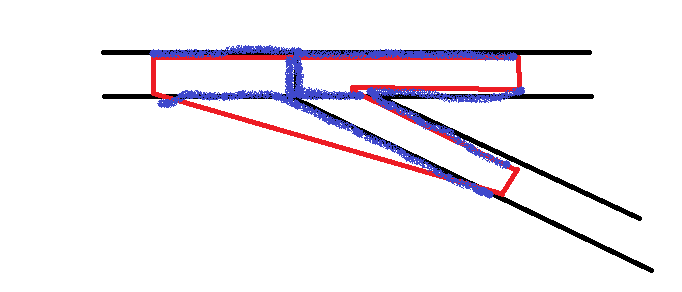
That's what my father suggested... he's a structural engineer, but does bridges mostly - rather different subject than a subframe.
Also, for gusseting, here's what I plan. Black is existing, blue is welds (some existing, some new), red is gusset.
That's what my father suggested... he's a structural engineer, but does bridges mostly - rather different subject than a subframe.

Whisky_Richard
Hamburgler Extraordinaire
I plan on having a spare swingarm braced, and it'll probably end up black as well.
Also, for gusseting, here's what I plan. Black is existing, blue is welds (some existing, some new), red is gusset.
That's what my father suggested... he's a structural engineer, but does bridges mostly - rather different subject than a subframe.
I would make the gusset a triangle instead of the V-shape you have drawn. You can still have it tie to both members on the right side. Also, if you want to stiffen up the back half of the subframe, just weld some strips of steel to the top and/or bottom of the tube. If you plan to reinforce the back half of the subframe, definately add a gusset as you will have a stress concentration at the joint you have drawn.

the problem is that if I do a full triangle instead of what I show, it's not as strong unless the backside gets welded on, too... and it's rather difficult to get to.
weld in a filler plate to cover the V section, then add speed holes. it'll be way strong either way
DannoXYZ
Active member
- Joined
- Apr 24, 2006
- Location
- Mesa, AZ
- Moto(s)
- CB125T EX250E Ninja250R racer CBR250R-MC19 CBR250RR-MC22 NSR350R-MC21 VF500F CBR600RR VFR750
- Name
- Danno
- BARF perks
- Barf Roadside Angel
No need to get that complicated. You are doubling up wall-thickness suddenly in that area and will cause a stress-riser. Would be OK if you taper the reinforcement plate thinner at the ends, but that leaves little surface-area for the weld. Just add a gusset under the cantilever arm.Also, for gusseting, here's what I plan. Black is existing, blue is welds (some existing, some new), red is gusset.
That's what my father suggested... he's a structural engineer, but does bridges mostly - rather different subject than a subframe.

Something like 4mm thick plate on the centre of the tubing will be fine. If you really want strong, then 2x 3mm thick plate on the inside and outside edges will be more than enough. Take a look at how the head & down-tubes are braced on a BMX bike.


Last edited: