The bike isn't heavy because Suzuki doesn't know how to build a bike. It's heavy because no one is going to walk past a 600 to buy the 250 for almost the same price. It's not really much cheaper to build a high performance 250 than a 600 or liter bike.
Even if a high strung two-stroke was a good idea for a new rider, they are orders of magnitude dirtier than a four stroke (yes even the modern ones) and won't be available in the US an street vehicles unless something major changes, so bringing them into the discussion isn't really relevant.
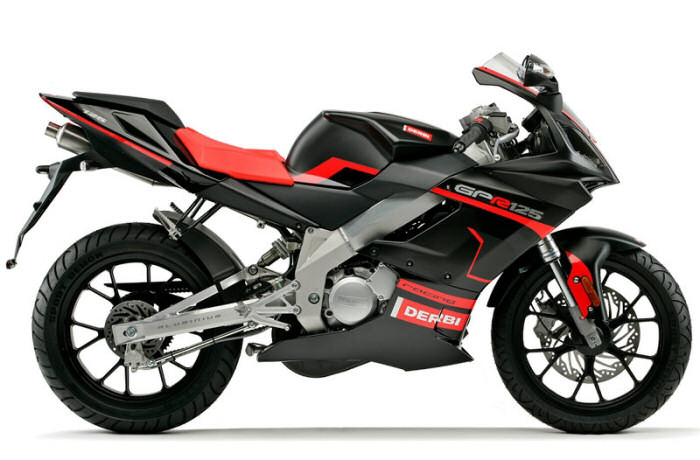
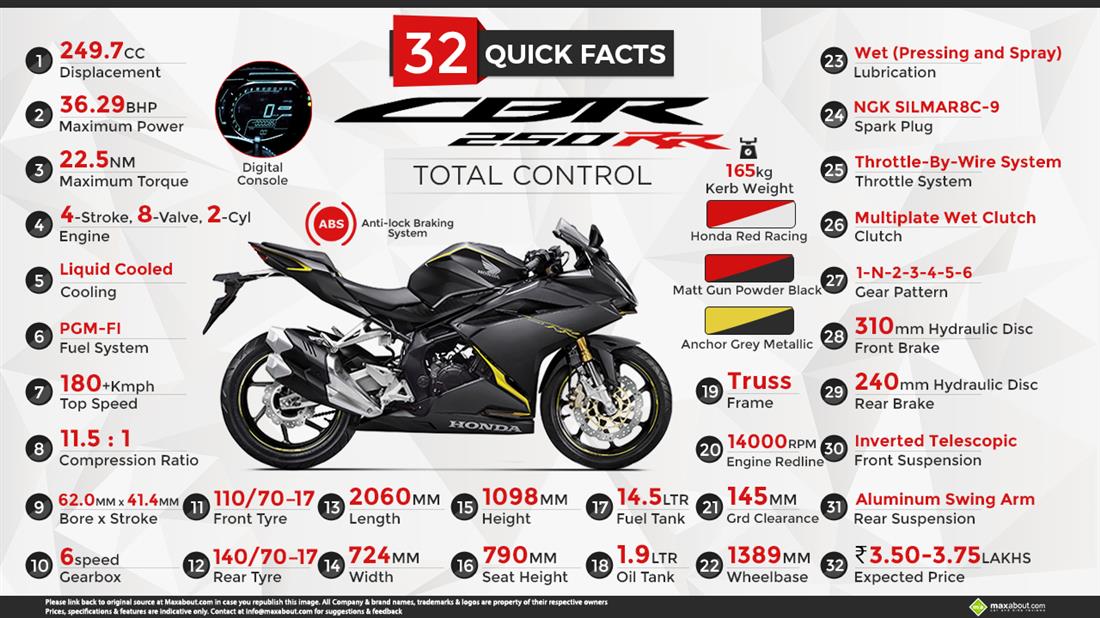
As I pointed out the Derbi is from TWELVE years ago--which I used to illustrate just how far the Japanese bikes are behind the curve. The quality of their performance built bike (the RR) can't even compete with something from over a decade ago.
The engine Derbi employed TWELVE years ago passed the Euro3 laws which were then tougher than even CA laws, so it's clearly not as dirty as you are making it out. Still you are totally ignoring all the other important features just because of the engine tech. That's a gross injustice.
Those features missing on the Honda and other Japanese bikes add weight, and other issues. I used the Derbi to illustrate that a high quality bike can be successfully produced, marketed, and sold in this segment. These bikes did very well in Europe, and some parts of Asia. And they lasted a lot longer too, because they were made with good quality parts, and design.
As to Suzuki's ability you are with different words agreeing with me for they do not know how to build a bike with these features in this class of bike. Sure the displacement is only one factor when building a good bike. Sadly most Americans don't get that because they've been brainwashed by the marketing departments to get bigger and bigger bikes. I could get more into your post, but I'll cover some of it below with the other posts.

Those people do exist.
They buy Honda's because they recognize the brand.

I totally agree with this.
Human behavior dictates that we follow the herd. If you see other people buying the Honda you are predisposed to buy the Honda. It's takes effort to steer outside the herd. Humans are very tribal, and if you go outside the tribe there will be costs.
Teh Barf provides evidence of this everyday.
There are enough potential buyers who don't hang out on forums and who just want to have some fun riding instead of comparing specs that don't mean much to most people.
Sure they are probably not even cognizant of the features and benefits of a better quality bike, but they can probably tell that one bike is better than the other, especially if they ride them. It's not easy to make a heavy bike ride well without spending some money on it.
There are lots of countries where 250 is a big bike. Also, many countries have tiered licensing. We are not the only market. Some kid in a third world country with a little money and his new license would love this class of bike.
There are many who buy a bike because it looks good, not because they spent hours on the forii crunching specs and prices.
Actually even in the US of A
we have tiered licensing. CA has it too, but it was neutered for a very silly reason back in the 90s, and now is highly ineffective.
Yes, but most of those tiers have a power to weight ratio, and this thing is bad at that metric as well. And by bad, I mean, grossly underpowered.
Agreed the GSX power to weight ration is horrible. But mostly it is the weight that makes it such. The power of the bike would be reasonable if they got the dry weight down into the mid 200's.
I think It's more the weight then anything else.
If this is 398 wet, it's up against the r3 (373 wet), ninja 300 (385 wet), cbr 250 rr (340 wet), CBR 300r (362 wet with ABS), rc390 (364.5 wet)
Basically I agree with you--the weight is the big issue. I'd have to look up the others, but I'm pretty sure I read that the RR's 340 spec was dry, which is why I looked up the dry numbers for the Derbi.
Even still these bikes compared to the RSV liter bike I had are so close it's not even funny. That bike was 420 lbs (dry).
For the US market it should be a 300-ish cc twin if it wants to compete against the market place.
I don't really agree with you on this point. There should be bikes with 7, 15, 25, and 45 HP, because there are legitimately good reasons for those classes of bike. If Suzuki had built a fantastic bike with a 250cc engine they would do well. Even as it is the bike will probably sell well because it looks like a good bike--until you look past the pretty plastics and see that it's not actually what it pretends.
How many buyers for an entry level bike really think, gee, this is 15 pounds heavier than X so I'll pass.
The biggest detriment to power to weight ratio is the fat ass getting on it. There is no "if all things are equal" because if that were true, we'd all be driving Yugos.
Well not only entry level buyers are going to want small bikes. Because I am an American, and I grew up in the States I too use to believe all that hog wash about graduating to get a bigger and bigger bike. I've had all different sizes of bikes. About ten years ago I bought one of these Replica bikes. They are amazing. I've had more fun on these bikes than any other bike. And I've learned more, faster, and better than on any other bike.
But communicating that to the unwashed is insanely difficult. The things is it's because the quality of these bikes is quite high. Even though they are 50cc bikes they still come with features not found on Japanese bikes until you get to something like an R6.
With regards a buyer that wouldn't know the difference in weight levels of the bikes, sure a new rider isn't likely to know, or be able to describe it. But it will effect their learning curve, and it will have an over all effect on the rider they are to become down the road, because it directly effects their ability to learn.
With regards to rider weight vs bike weight that theory has been fairly well debunked. It's one of those old wive's tales like loud pipes. You can reason this out for yourself if you think about bicycles. Use down hill bikes as a reference since you wont then have to think about what's powering it.
Generally it does mean slow(er).
We're talking about the limitations of the machine not the people who ride them.
At GPR Camp this year I let Charlie ride my stock 50cc bike. The "slowest" bike at the event. He was able to ride it faster than not only ever one in our group, but all the big bikes that came out to play on HWY 1 too. The "generally" really depends on some variables. On the super slab sure, but these aren't super slab bikes, and to judge them based on super slab performance just illustrates a fundamental misunderstanding of the bike's purpose.
So many people on
teh Barf want to compare these bikes as replacements for their liter bikes. Besides that fact that most of those people would actually become better riders if they did replace their liter bikes with one of these it still isn't a fair comparison. The reality is making such a comparison makes about as much sense as it would to take a Goldwing out on a motocross track, or to tailors this for
teh Barf a Turbo Busa on a kart track.