
NorCalBusa
Member #294
Up and down our coast for sure. Get east of the state line and not at all.Even if they built it, it'd be an endless subsidy pit. Flying is barely faster than driving even without the ss checkpoints.

Up and down our coast for sure. Get east of the state line and not at all.Even if they built it, it'd be an endless subsidy pit. Flying is barely faster than driving even without the ss checkpoints.

 calcoastnews.com
 www.cbsnews.com

Ruh-row; 60 Minutes
Other countries have 200 mph passenger trains. Why has high-speed rail not tracked here?
By Jon Wertheim, David M. Levine
April 5, 2026 / 7:00 PM EDT / CBS News
It's hard to exaggerate the role of the train in the American story or the romance of train travel, those iron horses galloping down tracks of steel. Why, then, has high-speed rail — so common in other countries — not tracked in the U.S.? An ambitious state-run project connecting L.A. and San Francisco has lurched, derailed, cost billions and may never happen. One private company is betting that it can succeed where the public sector has not, but that, too, has had its bumps. As U.S. high-speed rail remains a mirage, a ghost train, it's become a stand-in for a broader question: can America get its act together and still build big things?
The very model of modern engineering, it hums across the fruited plains at a top speed of 200 miles-an-hour. It revolutionized travel, it's a source of national pride… in Morocco.
Other countries have 200 mph passenger trains. Why has high-speed rail not tracked here?
High-speed rail can be found around the world. Yet so far, the projects haven't tracked in the U.S., where both the public and private sectors have faced ballooning costs and delays.

We've spent far beyond the money raised for the entire project- so we can't afford two Coach plane tickets for engineers to well, anywhere.Maybe we just need to look at other successful countries with high speed rail and, well, copy that.


Widening freeways does not solve traffic problems. Look up Induced Demand.Why not just widen I5?
This is patently falseWe've spent far beyond the money raised for the entire project-

Maybe we should look at how we procure work to analyze why it costs 4 times as much and takes 3 times as long to build.
We have so many levels of red tape it just sucks the life out of huge public works projects.
Permitting is in that long time to build for sure. The cost of drawings is probably close to double because of how the State does business too.Not just procurement, although that is wildly correct. Permitting work is also a huge problem.


I sill haven't heard one BARF member say they would ride it...in 6 years a the earliest it would seem.Our Gubment doing good work. Failure, Transparency issues.. nice job.
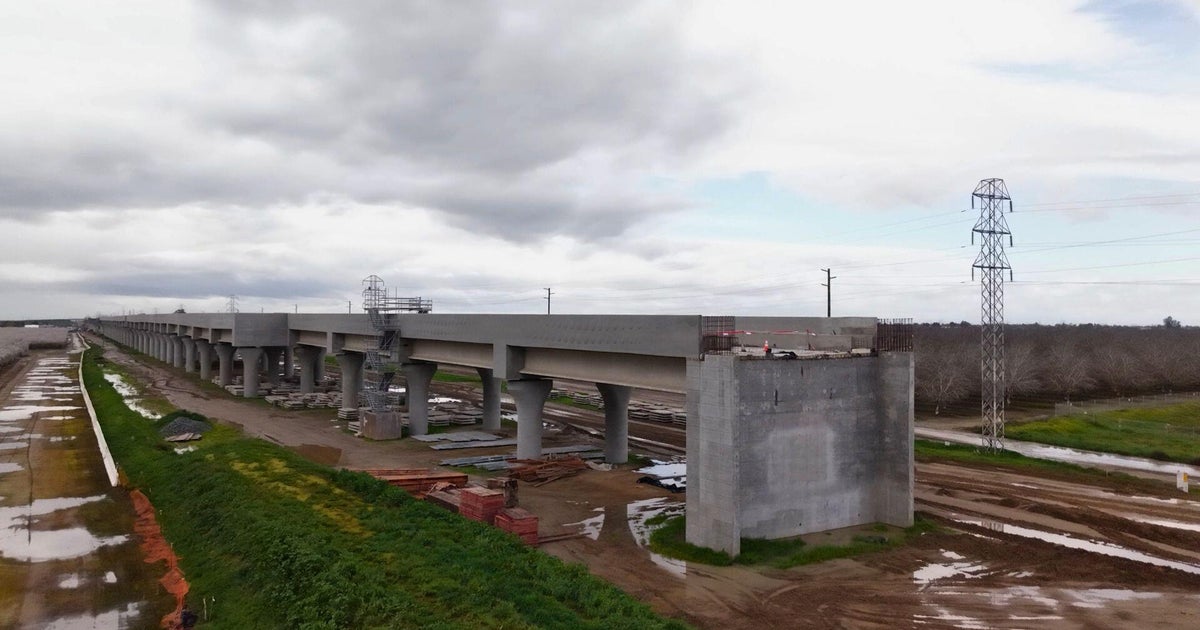
The first leg of the California High-Speed Rail (CAHSR) is an Interim Initial Operating Segment (IOS) connecting Merced to Bakersfield in the Central Valley. This ~171-mile segment includes stations in Merced, Madera, Fresno, Kings/Tulare, and Bakersfield, with revenue service for this initial section projected to begin around 2030–2032.
 .
.
I must admit, them's some tasty destinations.I’d give it a go. It really is not rocket science. Not the first gal to go tho


